



 Everyday Floor Cleaning Starter Kit · $149.00
 Everyday Floor Cleaner Concentrate · $49.00
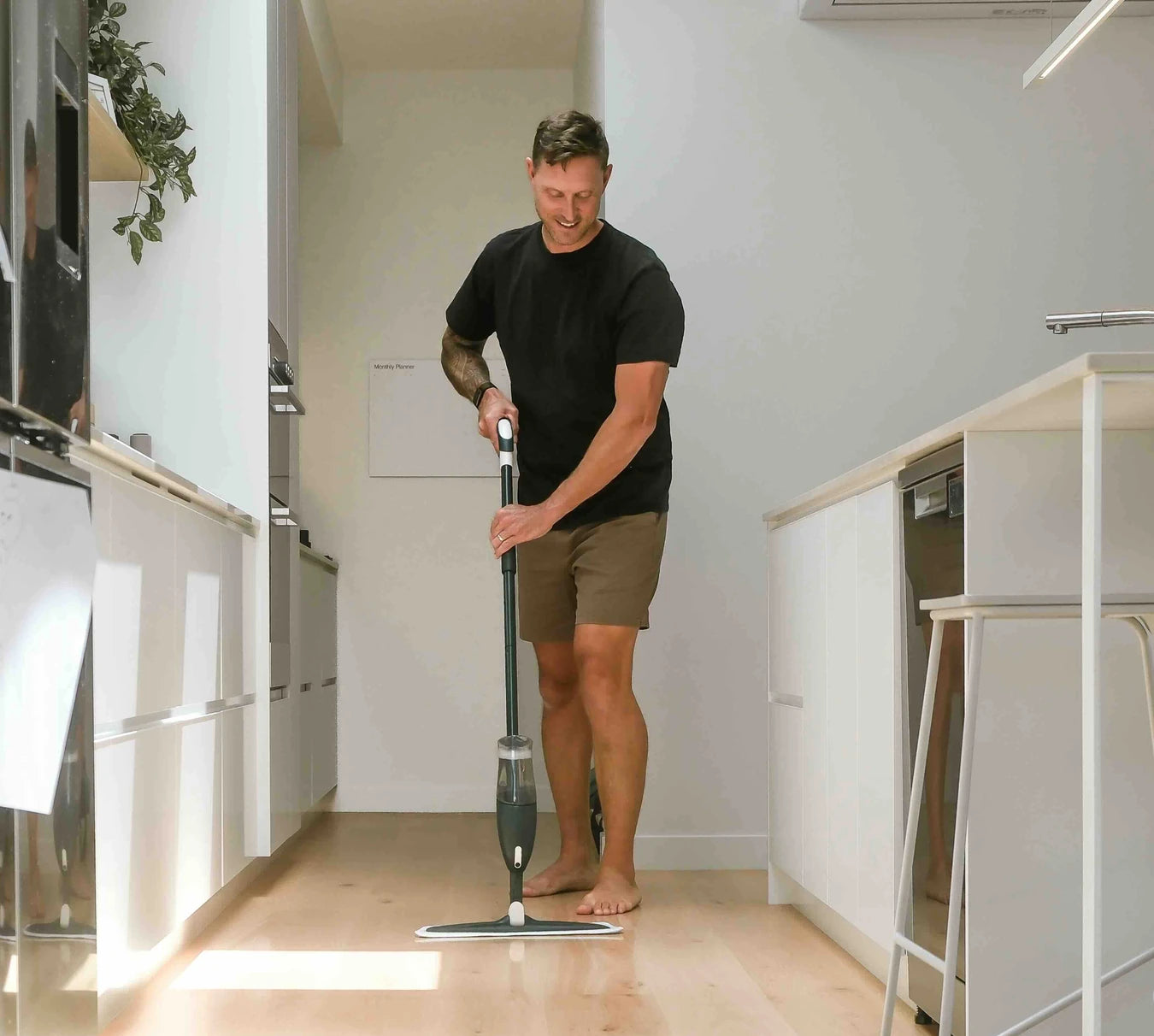
 Everyday Spray Mop · $94.00
 Replacement Mop Heads · $19.00

What's the Best Cleaner for Vinyl Flooring? Here's What Actually Works
Aug 17, 2026
Vinyl flooring is everywhere these days, and honestly, it makes total sense. It's affordable, durable, and looks great in just about any room. But here's the thing: keeping it clean can feel a little confusing, especially when you're standing in the cleaning aisle staring at a wall of products wondering which one won't ruin your floors.
The good news? You don't need to guess anymore. Finding the best cleaner for vinyl flooring doesn't have to be complicated, and we're breaking it all down for you in simple, straightforward terms.
In this post, you'll learn exactly what types of cleaners work well on vinyl, which ones you should avoid at all costs, and some tried-and-true options that actually deliver results without damaging your floors. Whether you're dealing with everyday dirt or stubborn scuff marks, we've got you covered.
No confusing jargon, no overwhelming product lists, just clear and helpful recommendations you can act on today. Let's dive in and get those floors looking their best!
Why Vinyl Flooring Needs the Right Cleaner
If you've just had vinyl plank flooring installed, you're in good company. Vinyl plank, especially luxury vinyl plank (LVP), is the fastest-growing flooring category in the world right now, with the vinyl composition market projected to grow at a CAGR of 12.1% from 2026 to 2033. Plenty of New Zealand homes are making the switch as we speak, and the first question most people ask after the installers leave is: "So what do I actually clean this with?"
Here's the thing most people get wrong. They grab whatever floor cleaner is under the sink, or worse, a multipurpose spray, and assume it'll be fine. But LVP has a wear layer, a thin but hardworking protective surface that gives your floor its sheen and scratch resistance. That wear layer is durable against foot traffic and spills, but it's surprisingly sensitive to harsh chemicals, high-alkaline formulas, and anything with wax or oil-based ingredients. Use the wrong cleaner repeatedly and you'll notice the floor looking dull, streaky, or filmy. Over time, the wrong products can even cause the edges to lift.
This is where pH actually matters. A pH-neutral cleaner (sitting around pH 7) cleans effectively without breaking down the wear layer or leaving residue behind. Think of pH like temperature for cooking; too hot or too cold ruins the result. For a busy household with kids running through the kitchen and a dog sliding around the hallway, you want a cleaner that does the job every single time without quietly damaging the floor underneath you.
The bottle's marketing claims won't always tell you this. "Streak-free," "deep clean," and "multi-surface" sound great, but the ingredient list and pH level are what actually protect your floor long-term.
What Makes a Great Vinyl Floor Cleaner
Not all cleaners are created equal, and when it comes to vinyl flooring, the wrong product can do real damage. Here's what to look for when choosing the best cleaner for vinyl flooring.
pH-Neutral Formula
A good vinyl floor cleaner sits around pH 7, which is neutral on the scale. That matters because anything too acidic or too alkaline can break down the wear layer over time, leaving your floors looking dull and worn before their time. Professional cleaning advice consistently points to pH-neutral formulas as the gold standard for LVP, specifically avoiding bleach, ammonia, and yes, even vinegar despite what you might read on Pinterest.
No-Rinse, Residue-Free Formula
Soap residue left on vinyl acts like a dirt magnet. It creates a sticky film that builds up with every clean, making your floors look worse the more you mop. A no-rinse formula breaks that cycle completely.
Streak-Free Results
This one matters especially in open-plan living areas where light hits the floor from every angle. Streaks on a glossy or satin vinyl finish are hard to ignore. Streak-free performance is one of the most valued outcomes among real users cleaning darker or high-gloss vinyl plank.
Safe for All Hard Flooring
Most homes have more than one floor type. A cleaner that works safely across vinyl, timber, laminate, and tile means one product does the whole job. Simpler, cheaper, less cupboard clutter.
Concentrated Format
Concentrated cleaners offer better value per wash and use significantly less plastic packaging. With New Zealand's cleaning industry moving hard toward eco-friendly products in 2026, a locally made concentrate is a smart choice for households trying to reduce waste without sacrificing results.
Is It Safe for Vinyl Plank Flooring Specifically?
LVP is one of those flooring types that genuinely confuses people, and honestly, it makes sense. It looks like timber, it's installed like timber, and it often sits right next to real hardwood in the same home. But it's technically a synthetic PVC product, not wood. So should you treat it like timber or like old-school sheet vinyl? That confusion is real, and you'll find it all over homeowner forums and community groups where people ask this exact question constantly.
Here's the simple way to think about it. LVP has a wear layer, which is a clear protective coating on top that shields the floor from scratches, stains, and daily traffic. That wear layer is what gives LVP its durability, but it's also what's at risk if you use the wrong cleaner. Harsh chemicals, acidic formulas, or anything waxy can strip or cloud that layer over time, leaving your floor dull, sticky, or prone to damage. According to cleaning professionals, the gold standard for LVP is a pH-neutral cleaner, full stop.
This is exactly why a cleaner that's safe for hardwood floors is one of the most reliable indicators of safety for vinyl plank. The chemistry is the same. Timber-safe means pH-neutral, residue-free, and gentle on surface finishes. Those same properties protect LVP's wear layer without causing swelling at the seams or delamination over time.
Our concentrated cleaner at Abstract Floor Care was formulated with wood flooring in mind, which means it meets that timber-safe standard. And because it clears that bar, it's also genuinely safe for vinyl plank, laminate, tile, and sealed concrete. Think of it this way: if a product is trusted on expensive engineered timber, it's not going to cause problems on vinyl plank. That's a reassuring benchmark when you're standing in the cleaning aisle wondering what's actually safe for your floors.
What to Avoid Putting on Your Vinyl Floors
Knowing what not to use is honestly just as important as finding the right product. I've seen plenty of beautiful vinyl floors get wrecked by well-meaning homeowners using the wrong stuff, so let's save you that headache.
Bleach and ammonia-based cleaners might feel like the heavy-duty option when you've got a stubborn stain, but they're genuinely damaging to vinyl. These harsh chemicals strip away the protective wear layer that sits on top of your planks. Over time, and sometimes pretty quickly with repeated use, you'll notice discolouration and a dull, washed-out appearance that no amount of cleaning will fix.
Abrasive scrubbers or scouring pads are another one to ditch immediately. Vinyl plank, especially embossed textures designed to mimic real timber grain, is particularly vulnerable here. Those tiny scratches from a scouring pad catch the light and permanently dull the finish. Once the surface is scratched, there's no going back.
Steam mops are a big one that surprises people. The heat and moisture from a steam mop force water into the seams between your planks. That causes lifting, warping, and in glue-down installations, it breaks down the adhesive underneath. Even waterproof vinyl has limits, and pressurised steam at the joins is past those limits.
Undiluted concentrate or dish soap leaves a residue film on the surface that makes your floor feel tacky and actually attracts more dirt between cleans. If your floor looks dull and grimy not long after mopping, soap residue is usually the culprit.
Oil-based soaps and shine products are worth skipping entirely. Vinyl already has a built-in sheen from its wear layer; it doesn't need help. Adding oil-based products creates a greasy build-up that's genuinely difficult to remove and, more importantly, makes your floor slippery. With kids running around, that's the last thing you want.
For a straightforward breakdown of what's safe versus what isn't, this guide on how to clean vinyl floors is a solid reference worth bookmarking.
How to Use a Concentrated Cleaner on Vinyl Floors
Once you've got the right concentrated cleaner sorted, using it correctly makes all the difference. This is where a lot of people go wrong, and it's usually not through neglect. It's just that nobody really explains the process clearly.
Get Your Dilution Right
Concentrated cleaners are powerful, and that's the whole point. But using too much doesn't mean cleaner floors. It actually means residue buildup, a dull finish, and floors that seem to attract more dirt over time. Follow the recommended dilution ratio on the label, typically a small capful per litre of water. That measured amount gives you proper cleaning power without the sticky film that plagues over-diluted or wrong-product mixes. A flooring store rep in a popular home design community specifically called this out, warning homeowners away from dish soap and improvised solutions for exactly this reason.
The Real Cost Savings
Here's something worth thinking about as a busy parent and business owner: a single bottle of concentrate goes a long, long way. Compared to grabbing a ready-to-use spray off the shelf, concentrated cleaner can deliver significantly more cleans per dollar. For NZ households running through regular floor cleans, that adds up fast. Less packaging waste, fewer trips to the store, and a better result every time.
Step-by-Step: The Right Way to Clean Vinyl Floors
Follow this simple process and your floors will thank you:
Sweep or vacuum first. Grit and debris left on the surface will scratch your vinyl when you mop over it. This step is non-negotiable.
Mix your solution. Add the correct amount of concentrate to your mop bottle or bucket.
Mop with a flat microfibre head. Microfibre applies minimal moisture and traps dirt without scratching.
Let it air-dry. With a no-rinse formula, there's nothing more to do.
Less Water Is Always Better
One thing real homeowners consistently get wrong is using a soaking wet mop. A damp mop is the goal here. Excess water can sit in the seams of vinyl plank flooring, and while LVP is water-resistant, the locking joints aren't fully waterproof over time. One commenter in a home design community discussing new LVP floors mentioned spraying solution directly onto the mop head rather than the floor, purely to avoid pooling at the seams. Smart approach.
Take the Guesswork Out Completely
The Abstract Floor Care spray mop system is built around exactly this kind of simplicity. The integrated bottle means you're mixing and applying the right concentration every single time, without measuring, without guessing, and without overdoing it. For anyone juggling kids, work, and a house to maintain, removing that mental load matters.
Why NZ-Made Actually Matters Here
If you're in New Zealand and you've recently had vinyl plank laid in your home, you're definitely not alone. LVP has become one of the go-to choices for new builds and renovations across the country, and it's easy to see why. It's durable, waterproof, looks great, and handles the chaos of family life better than most flooring options. But here's the thing: the floors being installed in New Zealand homes are living in New Zealand conditions. And that matters more than most people realise when it comes to choosing a cleaner.
Our climate isn't exactly predictable. A humid Auckland summer is a completely different environment to a dry Otago winter, and floors genuinely respond to those shifts. Humidity and temperature swings affect how cleaning products interact with floor surfaces, how quickly residue dries, and whether you're left with streaks or a clean finish. A product formulated on the other side of the world, in a completely different climate, isn't designed with any of that in mind. A locally developed cleaner is.
There's also a bigger shift happening right now. The NZ cleaning industry in 2026 is moving clearly toward eco-friendly, locally made products, and consumers are driving that change. Concentrated formulas are right at the centre of that shift. When you're buying a concentrated cleaner made here, you're skipping the bulky imported bottles, reducing plastic waste, and cutting out the transport emissions from transoceanic shipping. That's not a marketing line; it's just the reality of how concentrated formats work compared to ready-to-use bottles shipped from overseas. Eco-friendly floor cleaners in a concentrated format genuinely deliver a lower environmental footprint, and that matters to a lot of NZ families right now.
And practically speaking, buying NZ-made means real support when you need it. Stock is local, answers are quick, and the people behind the product actually understand what a New Zealand home looks like.
The Complete Vinyl Floor Care Routine (It's Simpler Than You Think)
Here's the good news: keeping vinyl floors looking great is not a complicated, time-consuming job. As someone who's got two kids dragging school bags, sports gear, and muddy shoes through the house on a daily basis, I can tell you the routine is straightforward once you know the five things that actually matter.
1. Sweep or vacuum every day (or as close to it as you can manage)
Grit is the silent killer of vinyl floors. Fine particles from outside act like sandpaper under foot traffic, grinding micro-scratches into the wear layer before you even notice it's happening. A quick sweep or vacuum pass on the hard-floor setting takes under a minute and prevents the vast majority of surface scratching. This single habit does more for your floor's long-term appearance than any cleaner on the market.
2. A light damp mop once a week
Mix your pH-neutral concentrated cleaner to the correct dilution ratio, load it into your spray mop, and work your way along the plank direction with light, controlled passes. The key word is damp, not wet. Excess moisture sitting on seams is how problems start.
3. Felt pads under every piece of furniture
Chair legs, table feet, the lot. Dragging scratches are permanent; no cleaner fixes them after the fact. Our felt pad range at Abstract Floor Care was built specifically for this purpose, matching the material and edge profile that protects the wear layer properly.
4. An entryway mat at every door
Catching dirt and moisture before it reaches the vinyl is genuinely more effective long-term than any reactive cleaning. One mat outside, one inside, and you've cut your floor's workload significantly.
5. A quick seasonal inspection
Twice a year, run your eye along the seams and edges in high-traffic areas. If a plank is starting to lift at the edge, catching it early stops moisture getting underneath before it becomes a bigger issue.
The Bottom Line on Vinyl Floor Cleaners
If you've made it this far, here's the short version: the best cleaner for vinyl flooring is pH-neutral, no-rinse, streak-free, and safe across all your hard floors, not just vinyl. That's the non-negotiable checklist. And the three things that trip up NZ homeowners most often are bleach, steam mops, and dish soap. They seem harmless or even logical, but over time they dull the finish, lift seams, and leave a soapy residue that builds up with every clean.
A NZ-made concentrated formula changes the equation. You're getting a cleaner that's formulated for local conditions, costs less per clean because you're diluting it yourself, and produces far less plastic waste than buying bottle after bottle of ready-to-use product. That's better for your floors, your wallet, and your recycling bin.
The Abstract Floor Care system, the spray mop, concentrated cleaner, and felt pads, was designed as a complete solution for exactly this kind of household. Busy, real-world, no time to research seven different products or second-guess every clean.
Honestly? You've got enough going on. Between work, kids, and everything else on the list, your floor cleaner should be the last thing keeping you up at night. Get the right system in place once, and then just get on with it.
Conclusion
Keeping your vinyl floors clean does not have to be a guessing game. To recap the key takeaways: stick to pH-neutral cleaners specifically formulated for vinyl, avoid harsh chemicals like bleach and ammonia, steer clear of abrasive scrubbers that can scratch the surface, and always dilute your cleaner properly for the best results.
Your floors are an investment worth protecting, and with the right products and a simple routine, they can stay looking fresh and beautiful for years to come.
Ready to get started? Pick one of the recommended cleaners from this guide, grab a microfiber mop, and give your floors the care they deserve. You will be amazed at the difference the right cleaner makes. Clean floors are just a few simple steps away.